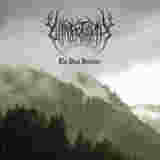
The Dark Hereafter
Winterfylleth
- Style
- Black Metal
- Label
- Candlelight Records
- Year
- 2016
- Reviewed by
- Andy
It's been a couple of years since Winterfylleth gave us an LP. The Dark Hereafter may get some raised eyebrows due to its short length -- it's only got five tracks, and one, Pariah's Path, was a bonus on The Divination of Antiquity. But it's hard to get upset over more material from Winterfylleth, a band known for steady consistency in the sound quality department, and even an album that is practically an EP due to its length is welcome.
Don't expect any traditional black metal rawness here; the songs are smooth, really smooth, and the complexity that characterized earlier albums, along with the beautifully poetic lyrics and imagery, can still be found here. There are plenty of nature-themed British black metal bands out there, but Winterfylleth has always kept the annoying clean vocals and over-synthed instrumentals of the genre's excesses out of the way, and they keep that up on The Dark Hereafter. Pariah's Path is still a relatively strong song, a long winding journey through autumnal forests, and Ensigns of Victory gives the listener uplifting melodies with a post-black-metal vibe, that takes a turn at a darker sound on the bridge for a while.
Where the real epic black metal attempts start showing up, though, is on Green Cathedral, a fourteen-minute slog of synth keyboards mixed with picked melodies, moving into a lonely, echoing musical landscape drenched in sadness, emotional black metal of the sort that Imperium Dekadenz is so good at. Winterfylleth is no slouch at this genre either, mixing in deep, groaned background vocals for the last few minutes of the song. So why did they have to put spoken-word recitations at the end? It's appropriately solemn, but fading out without the extra gratuity would have been just as effective and less annoying. On Led Astray in the Forest Dark, the band's on firmer ground and turns out what I consider the best track on the album, with ethereal clean vocals backed by some of the album's best bass work, the guitar soloing wailing over it in the manner of an Agalloch song.
It's a bummer that the album's so short, but the listener gets solid and satisfying nature-themed black metal out of The Dark Hereafter, especially on the last few tracks. You won't find any experimentation here, but given the band's predilection for fine-tuning rather than attempting innovation, that may be a good thing in this case.
Reviewed by Andy — October 23, 2016