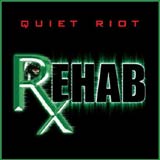
Rehab
Quiet Riot
- Style
- Blues Rock
- Label
- Chavis Records
- Year
- 2006
- Reviewed by
- Mike
The most recognizable lineup of Quiet Riot reunited in 1998, putting together a compilation album, Alive & Well, and a much underrated and overlooked studio album, Guilty Pleasures. Of course, the lineup I am referring to is the Mental Health lineup of Kevin DuBrow, Rudy Sarzo, Carlos Cavazo, and Frankie Banali. Apparently, the infighting of old times resurfaced, as Cavazo and Sarzo are no longer in the band. Quiet Riot disbanded altogether for a period of time, but Kevin and Frankie put the band back together again, although the guitarist and bassist slots have been filled by a rotating cast of musicians since the departure of Cavzo and Sarzo. After the temporary breakup of the band and subsequent lineup changes, we are left with a rendition of Quiet Riot of present day that sounds little like Quiet Riot of old. The good times, party rock is gone, even though the band did a fabulous job of resurrecting the best of classic Quiet Riot on their last album, Guilty Pleasures. Rehab does an about face from Guilty Pleasures, heading down a entirely different path than anything they've done before. Rehab is an eclectic mix of blues, 70's classic rock, down tuned / contemporary metal, and even some gospel. While some may herald this adventurous shift in direction, there will surely be as many, if not more fans of Quiet Riot that feel displaced by this album.
Rehab is a gritty album, one that has a raw, live in the studio feel to it. So, the slick, sometimes overproduced sound of the 80's is completely out the window. Along with it go the energetic riffs, over the top chorus lines and instantly recognizable melodies. The album has a much more laid back, groovy vibe to it, although the individual performances are excellent. I had read that Kevin DuBrow says this album takes a few listens to get into. Having listened to this album several times now, I can easily see why Kevin would make this statement. Not many of the songs have an instantly recognizable catchiness to them. Instead, the album features mostly groove laden, blues tinged tracks with a much more mature lyrical content than Quiet Riot has delivered in the past. As I mentioned above, this album is an eclectic mix of sounds. For example, the opening track, Free is a contemporary and plodding metal track that is much darker than Quiet Riot of past. The guitar work is much more aggressive and menacing than expected, complete with down tuned guitars. Blind Faith and South of Heaven have a raw, retro flavor to them; not too distant from 70's Bad Company sound. Black Reign finally sees the band ratchet up the tempo a bit, but in more of a Foghat sort of way as opposed to the classic Quiet Riot sort of way. Frankie really shines on the drums here, and an acoustic mid section helps to break up the wailing guitars that dominate either end of the song. Also, this track is one of the few of the album that really stick out after just the first listen. Old Habits Die Hard is the first real surprise of the album, delving deep into blues and gospel territory. Although this type of song is perfect for Kevin's voice, it is far from anything Quiet Riot has ever done before. A Hammond organ, female gospel singers, and Neil Citron's blues guitar licks are all new territory for Quiet Riot. Admittedly, this is not at all my cup of tea, but the end result sounds very good for what it is. This really isn't even a rock song at all, but more of a bluesy gospel cut. Surely, this will be a tough sell for a large chunk of Quiet Riot fans out there. Strange Daze is one of the highlights of the album, despite its very raw, under produced sound. This is a very heavy, guitar driven rocker that gives a distinct nod to the Randy Rhoads era of Quiet Riot. The dazzling guitar work is some of the best found on the entire album, making this track a gem of the album. In Harm's Way follows up, and it is a more laid back and simple blues rock song. After Strange Daze, this one is simply a let down with very little to sink your teeth into. Beggars and Thieves comes next, and is very similar in its laid back nature to In Harm's Way, but with more of a late 60's, bluesy Rolling Stones feel to it. At nearly seven minutes in length, it does drag on a bit for me. The end of the song is quite "trippy," something does not speak to me all, quite honestly. Don't Think is another bluesy track, this time with a dark and heavy groove. Again, this is a departure in sound from the rest of the album, perhaps most similar to the opening track, if any from this album. The gritty and hard edged feel of this track is something to appreciate if anything else. It Sucks To Be You is the one fun track of the album that harkens back to the band's heyday of the 80's. The album closes out a with a blues fest in Evil Woman, which is a cover of Spooky Tooth's 1969 version of the track. Glenn Hughes handles bass on this track, and duets with DuBrow. Although Hughes' vocals aren't really for me, he is one hell of a bass player. I'm sure fans of Hughes and blues in general will eat this track up. At nearly nine minutes long, this is a moody and dark track that emanates of soul and passion. As with Old Habits Die Hard, this really isn't much of a rock song. Instead, it's purely a blues songs that really allows these two vocalist to showcase their skills. Also, its impact comes more with the atmosphere and emotion of the song, rather than energy or guitar work.
As a big fan of Quiet Riot from their Randy Rhoads years, through the dreadful Paul Shortino years (not Paul's fault; he's a great singer), clear though the Guilty Pleasures tour, I'm not entirely sold on the new Quiet Riot sound. Ultimately, I may just have to accept that this new incarnation of Quiet Riot is just not for me. Blues fans, and especially Gary Hughes fans will certainly find a lot to like here. If you're looking for anthemic, riff driven melodic hard rock, then look elsewhere. There is none of that anywhere on Rehab. If laid back, bluesy 60's and 70's retro rock is your thing, then this album will certainly appease you for the most part. I think it will be hard for an album with such an eclectic mix to please a significant number of fans for the entire duration of the album. For most, I would think that Rehab will be an up and down sort of album. The more I think (and write) about this album, the more that I will just acknowledge it's worth for what it is, but also recognize that it is just not for me. This album is a perfect candidate for the "try before you buy" moniker. Undoubtedly, some will herald this work as the band's most diverse and mature; and therefore their best. However, a large sect of fans will likely just move on to something else.
Reviewed by Mike — February 5, 2007