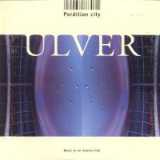
Perdition City
Ulver
- Style
- IDM, Trip-Hop
- Label
- Jester Records
- Year
- 2000
- Reviewed by
- James
Although 1998's Themes From William Blake's The Marriage Of Heaven And Hell seemed like an exciting leap forward for Ulver into post-black metal territory, in retrospect it's clear that it was merely a transitional album for the band. The beats seem oddly dated, the music messy and unfocused. However, by the time Perdition City rolled around,the band had upped their focus, and were ready to commit fully to this whole electronic music thing. The line-up who cut Themes have been pretty much jettisoned at this stage, Ulver now being very much Garm (going by the name Christophorous G. Rygg here, for what it's worth) and Tore Ywzikaer's baby. Guitarist Havaard Jorgensen sticks around for “session guitar” a position he still adopts today when the band need him. There are a fair few guest musicians again, as there were on Themes, most notable of which is the infamous Bard Faust, supplying electronic drums on The Future Sound Of Music. Perdition City marks the fifth stylistic change for Ulver in as many albums, and from here on out the music feels far more synthetic, the music being the work of a couple of blokes with synths and computers than a “band” per se. It's all big, trip-hop beats and brooding pianos, with the odd nod to classical and jazz. It's largely instrumental fare, interestingly enough, Garm only turning up for four of this album's nine tracks (to be fair to him, he does play keyboards and program drums here, too). He's adopted yet another vocal persona here, far removed from his Norse chanting or his bombastic operatics. This time around he's going for a deep, soulful croon, which fits this album's lower-key sound perfectly.
“Music for an interior film” states the booklet, and I must say that Perdition City is one of the best examples of creating a mental picture I've yet heard. The cold, emotionless beats conjure up images of dark, desolate, rain soaked city streets, Dead City Centres if you will. Garm adds a trace of humanity to proceedings, being our guide through the concrete jungle of Perdition City. If you ever get the chance, try and listen to this album while on a walk through the city streets. Even in daytime, there's a synchronicity between sight and sound here that makes it clear that Ulver made this album for just such a purpose. Although this is in the same “Intelligent Dance Music” territory as say, Autechre, the genre is something of a misnomer, seeing as there's very little danceable about Perdition City. There's a veneer of intellectualism, this being an example of electronic beats as high art in the same way that, say, Venetian Snares does (not that this has anything in common with them). Luckily, it very rarely spills over into pretentiousness, bar the rather irritating interview with Garm in the booklet.
The word that sums up Perdition City best, as silly as it is to say it, is cool. Everything about Perdition City is cool, and at its best, like when the operatic vocals kick in on Lost In Moments, it's positively freezing. Unlike Themes, Ulver's taste for the avant-garde never trips them up, the only real flaw being slightly unnecessary interlude Catalept. Indeed, it's even catchy much of the time, the beats worming their way under the listener's skin. And because it's such a big leap forward, because it fuses the catchy and the challenging in a way few records can, it is nothing less than a triumph. Welcome to Perdition City. We hope you enjoy your stay.