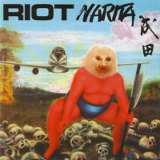
Narita
Riot
- Style
- Hard Rock
- Label
- Capitol Records Inc.
- Year
- 1979
- Reviewed by
- Andy
It seems incredible to me that after fifteen years of existence, we have never reviewed Riot's sophomore album, Narita. What also may seem incredible to a listener is how good it is, coming from what was in those days a minor-league band used as cannon fodder to support larger, more mainstream rock acts. Even decades later, Narita is an album that's filled with swaggering, fist-pumping rock'n'roll bravado that makes it baffling as to why the record companies didn't promote this for all it was worth. While Thundersteel is what the metal world will always remember Riot for the most, Narita's my second favorite of their large catalog.
Casual Riot listeners shouldn't expect Thundersteel-type stuff here -- that's ten years away from this release, a lifetime for a young band that hadn't (or so it's been said) even heard much yet of the New Wave of British Heavy Metal. What you get here is bluesy, thoroughly American hard rock with the flavor of a KISS or Blue Öyster Cult album. The first thing the listener notices is the sharp, high-pitched, and slightly sleazy voice of original singer Guy Speranza. Drenched in charisma, Speranza sings each line with pure relish, even more so than on the previous debut album, Rock City. He's at the top of his game in this album and whoops delightedly as he rams his way through the material, underlined by a solid two-guitar attack on the parts of guitarists Mark Reale and L.A. Kouvaris. 49er, one of the best songs on the album, is snappy, blues-filled rock with a rising bassline combined with a descending lead that's pure magic, followed by Kick Down the Wall, a heavier and more deliberate track with more of a minor key sadness behind it than the band's usual abandon. The title track, an instrumental, offers a brief glimpse of the band's future in its double-timed drums and wailing, harmonized guitar work, which is the closest one gets to a preview of the speed/power metal that Riot would eventually turn to.
Most of the tracks, though, are plain hard rock, as unadorned as blue jeans and without mystical pretensions or progginess -- but with plenty of references to older bands that Riot's members had been listening to (Do It Up starts with the first lines of Foghat's Slow Ride). The swinging Here We Come Again, with an especially thumping bass, is one of these, and Do It Up, Hot for Love, and White Rock pay homages to rock 'n' roll, sex, and drugs respectively. Towards the end of the album the tracks get heavier, and by White Rock, the low-pitched guitar chords mixed with the louder bass start drifting more towards proto-metal.
Narita was the second album with Guy Speranza, and sadly turned out to be the second-to-last. After another high-quality rock-verging-on-metal album, Fire Down Under, Speranza got fed up with the rock'n'roll lifestyle and the endless screwings by the labels. Riot entered an uncertain period, even breaking up for a while, before returning triumphantly (and still not getting sufficient label promotion!) with Thundersteel, one of the best metal albums ever made. The Speranza years left us three masterpieces, however obscured by time, and even now, a listen to Narita's exuberant energy is guaranteed to bring a smile to any listener's face.
Reviewed by Andy — October 18, 2015