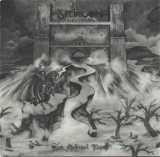
Dark Medieval Times
Satyricon
- Style
- Black Metal
- Label
- Moonfog Productions
- Year
- 1993
- Reviewed by
- James
Satyricon weren't always the well-oiled black n' roll machine they are today, love them or hate them. When Satyr was a mere lad of seventeen (it's mind boggling to think he produced an album of this calibre at my age) he was one of the most innovative and ambitious, if a little brash figures in the Norwegian scene. His ambitious nature, and shall we say, “rock-star” attitude (hiring a make-up artist for Nemesis Divina was never going to do him in favours with purists) has led him and his band to be a little ostracised from the Norwegian black metal scene. They've been excised from the pages of black metal history, and that's a great shame, as when you take away the fact that they never partook in the criminal activities of their peers, and concentrate on the music, Dark Medieval Times is a landmark. There's experimentation with keyboards and acoustics here that create an atmosphere that at the time, only Burzum could match. Emperor hadn't taken a more refined path yet, Ulver were still in their infancy, and Mayhem were still struggling to finish De Mysteris Dom Sathanas. What other black metal band had dared to have a six minute acoustic track (Min Hyllest Til Vinterland) in the middle of their album?
Anyway, we get things started with Walk The Path Of Sorrow and not with some blasting black metal, but a strange, somewhat incongruous symphonic intro. I can only assume it was an attempt at showing off by Satyr, as there's nothing like this anywhere else on the album. Still, normal service resumes shortly after, and we're strapped into one of the most exciting and ground-breaking black metal roller-coaster rides of all time. Satyr is a master of composing catchy riffs, and despite the compositions being a little disjointed (think early Opeth) his talent shines through, and you'll be to busy focusing on the majestic atmosphere held in these seven tracks to care. The music is generally carried by thin, distant guitar riffs, yet these are often pushed unusually far back to the mix, or simple keyboard lines. While from that description you might be expecting it to sound something like Summoning (and I wouldn't be surprised if everyone's favorite Austrian Middle-Earth obsessives took some influence from this), Frost's drum battery pushes this into more aggressive territory than their stately trudges. He's not quite the extreme metal powerhouse we'd see on later records (though his later, furiously technical approach would sound out of place here anyway), but the drumming is still most definitely a cut above most records released at the time.
Of course, Satyricon as a band at this time claimed to be playing “medieval metal”. However, you may be a little surprised to find there's little of the Middle Ages here, either lyrically or musically. The flashes of medieval folk we do hear though (most notable in the title track) are, shall we say, a little naïve, if an effective change of pace. Even though they conjure up images of curly-toed footwear and silly hats rather than the mighty castles Satyr and Frost clearly had in their heads while writing this, they by no means detract from the music, and I for one find them rather charming. Indeed, they're a perfect example of the youthful exuberance and bravery that makes this a classic.
As with many records coming from the Norwegian scene at this time, Dark Medieval Times positively crackles with youthful energy. Despite their limited resources, these two young men were striving to make something on a grander scale than had been seen previously. They were forging a whole new path, and interestingly it's one few bands have followed, Dark Medieval Times still sounding pretty unique to this day. And indeed, the fact that it hasn't spawned a stream of identikit clones like, say, Hvis Lyset Tar Oss has only strengthened it's impact.
Sigurd Wongraven is a bit of a black metal pariah these days, for daring to introduce a more streamlined, rock-based sound to the black metal scene (and, perhaps more gallingly to the kvltists, getting rich and successful off it, too). And I can understand the hate from some quarters of the black metal community, as his band's early works are so accomplished and utterly stellar that I almost wish he'd done it forever. Those of you who like to put Satyricon's output down to being merely down to the lures of pretty girls and fast cars would do well to remember this: the opening riff to Skyggedans is every bit as catchy as anything on The Age Of Nero, and I dare say anyone who sees the name Mother North written in writing will immediately have its infamous intro lodged in their brain. Satyricon have progressed and evolved, and I salute Satyr for doing his own thing and walking his own path of sorrow, even if the results haven't always hit the mark (he seems to have perfected the newer sound nicely on his latest release, mind). And I think his decision to do whatever the hell he wants, even when it angers the very movement that brought him to prominence, makes him, well, pretty fucking black metal.