Bogefod
Sarke
- Style
- Black Metal
- Label
- Indie Recordings
- Year
- 2016
- Reviewed by
- Andy
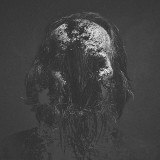
Despite being named after the drummer, Sarke's biggest claim to fame is the vocals of Darkthrone singer Nocturnal Culto. But don't expect throwbacks to albums like Transylvanian Hunger, or even latter-day evolutions like Circle the Wagons, on Bogefod. The subject is perfect for black metal -- it's a concept album based on the ghost-story sections of the Eyrbyggja Saga, hence the creepy face on the album cover -- but the album is treated with the slower, cleaner, and more measured sound of previous Sarke offerings.
The sound is thick and chunky in the riff department. The dissonant ringing lead jabs and crunching, steady palm-mutes, however, step aside in places on Blood of Men, giving Sarke's bass a chance to get combined with minor-key solos that are more reminiscent of traditional heavy metal, possibly due to their relatively clean overdrives. The keyboard backings are used sparingly, but in such a way that they provide a more symphonic atmosphere. Sometimes this gets a little too slow for my taste, but it certainly contributes better to the overall sound of the album than a mid-tempo grind all the way through. And faster tracks like The Wicked's Transient Sleep contain both the atmosphere and the speed; the keyboard weaves its chords into the melody without disrupting anything but altering the tone.
Guitarist Steinar Gundersen is a versatile fellow, ranging from choppy, sheared-off chords to ringing accents with liberal use of the whammy bar -- or even, as on Dawning, playing a soft acoustic nocturne with the keyboards to accompany the guest vocals of female soprano Beate Amundsen. The intro riffs, while simple, are played with a tight vibrato that reminds me occasionally of John Gallo's playing style -- and there are some things in common, since the sound of many of these slower tracks (especially Evil Heir, my favorite track, where this is most apparent) has a very slow, doomy flavor to the whole thing.
I expected a bit more ferocity on Bogefod, given that the Eyrbyggja Saga, notwithstanding the biblical solemnity of its English translations, is a tale of endless Viking blood-feuds, with casual murders punctuated by undead spirits leaping out in the occasional chapter to gibber at their surviving neighbors. With that kind of material, couldn't the music maybe reflect a bit more harshness? But Sarke opts for a slower but more epic route, one that gives them more room for variety and a wider range in their sound. Perhaps, for a Norse saga, that was the right mood to strike after all.
Reviewed by Andy — March 15, 2016