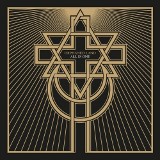
All Is One
Orphaned Land
- Style
- Progressive Middle-Eastern Folk Metal
- Label
- Century Media
- Year
- 2013
- Reviewed by
- Andy
While some of their albums are better than others, I have yet to find a poor album from Orphaned Land. The last one, The Neverending Way of ORwarriOR, a magnificent piece filled with variety for even the toughest listener, was always going to be a difficult act to follow, but Orphaned Land's warmly inclusive musical promotion of peace and harmony in the Middle East between races and religions (an important subject for the Israeli band) has rarely misstepped, and while it's not quite as progressive as earlier albums, the band doesn't misstep here either in their latest, All Is One.
This album is quite a bit less dense than the preceding albums, but that's like saying the Grand Mosque of Mecca weighs a bit less than the Great Pyramid of Giza -- it's still vast. The starting track, All Is One is more approachable by the casual listener than some of the subsequent tracks and is a bit more radio-friendly, but The Simple Man brings out more of the sound they're really known for, especially in the interims between the verses/chorus. The hugely layered, yet oddly delicate combination of progressive metal and Middle Eastern folk music that they have perfected is still incredibly effective, but with more of a symphonic (granted, a Middle Eastern symphony) sound than the previous album, which had much more in the way of guitar pyrotechnics together with the folk instruments. All Is One, Let the Truce Be Known, and Brother, a haunting ballad sung beautifully by vocalist Kobi Farhi, are about peace and reconciliation between Jews and Muslims, but all three have completely different sounds: Celebratory, hopeful, and sorrowful. (A historical/legendary note: The "brother" referenced in Brother is Ishmael, traditionally thought to be the ancestor of many of the Muslim peoples -- Isaac being the brother who fathered the Jewish race).
The production on All Is One is simply epic. Recorded in separate studios and with an army of vocalists and guest musicians, it is impressive to say the least. No song is quite the same, and despite their less death-metal direction (their first album, Sahara, remains my favorite), they still manage to get a few of their original growls and narration onto Fail and put together a few of their strange (to Western ears) yet engaging folk tunes on Shama'im and Ya Benaye. Our Own Messiah and Children are both excellent too -- I'd been waiting impatiently for more of Yossi Sassi's amazing guitar work, my favorite part, throughout the more radio-friendly tunes, and though one's not going to be quite as satisfied with what one gets doled out as with what was on some of the previous albums (the soloing is over all too early), what is on there is excellent. Chen Balbus, on his first album with the band after Matti Svatizky took off last year, proves himself a competent rhythm guitarist who has no problem keeping up the incredibly high standard of guitar work on previous albums. Through Fire and Water is also worthy of note, containing some lovely guest vocals from past female guest Mira Awad.
All Is One is a challenging album even considering it is less progressive than previous works, but a rewarding listen for almost anyone who picks it up. It does seem less risky -- one can't help but compare it with Orphaned Land's previous albums, and I don't believe it manages to surpass them, mostly because of its greater focus on the symphonic sound and its lower level of progginess and death metal influence -- though that might be a personal preference. Even so, this is probably one of the better metal albums of the year, showcasing the many musical talents of Israel's finest export.